Hard red wheat
A hearty bread wheat and a useful place to start. Learn the autolyse here.
Affiliate partners: Henry works with NutriMill and Grand Teton Ancient Grains and may earn a commission from qualifying purchases.
A Recipe Pantry collection
Fresh-Milled. Eight grains, thirteen recipes, and a new way to know your flour. Start with a loaf, a tender biscuit, or a pot of whole emmer. Every recipe teaches something you can take to your next bake.
Explore einkorn, spelt, emmer, and khorasan inside the Fresh-Milled collection. Familiar recipes, with a different grain at the heart of each one. Grand Teton Ancient Grains is our grain partner.
Explore Ancient Grains Shop grain berriesThe Fresh-Milled collection
beginner
Open recipe
beginner
Open recipe
intermediate
Open recipe
intermediate
Open recipe

intermediate
Open recipe
beginner
Open recipe
beginner
Open recipe
intermediate
Open recipe
beginner
Open recipe
intermediate
Open recipe
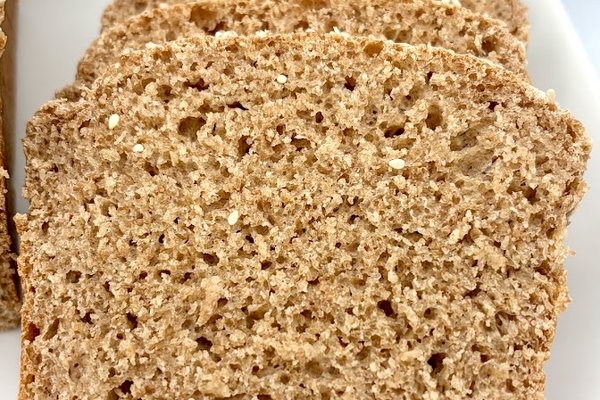
beginner
Open recipe
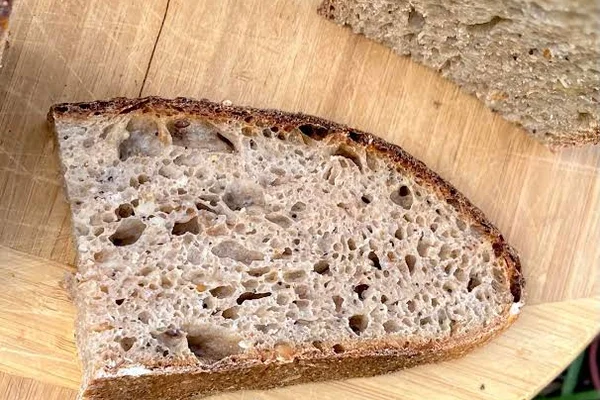
intermediate
Open recipe
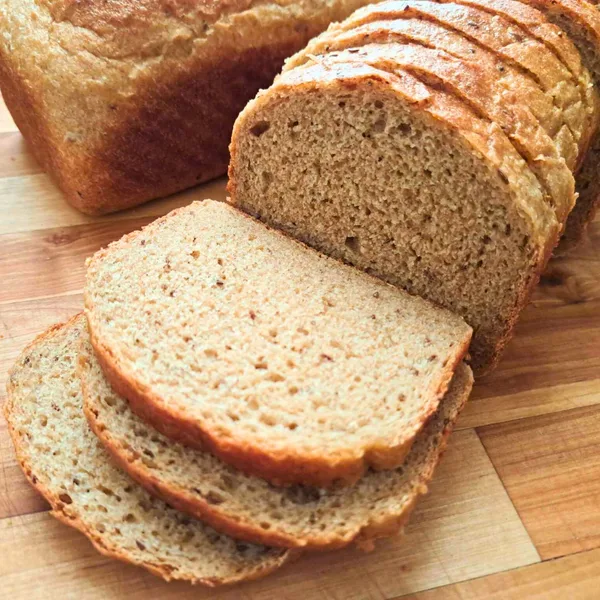
intermediate
Open recipe
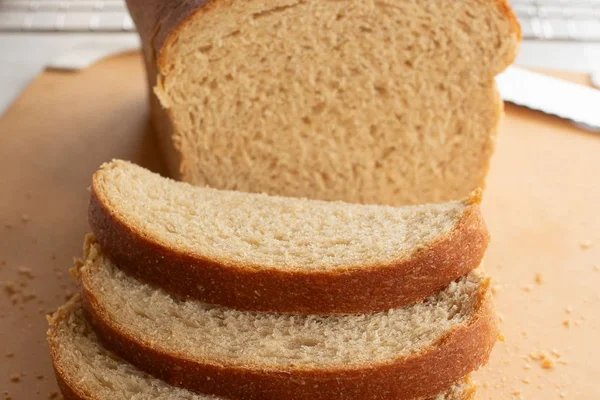
beginner
Open recipe
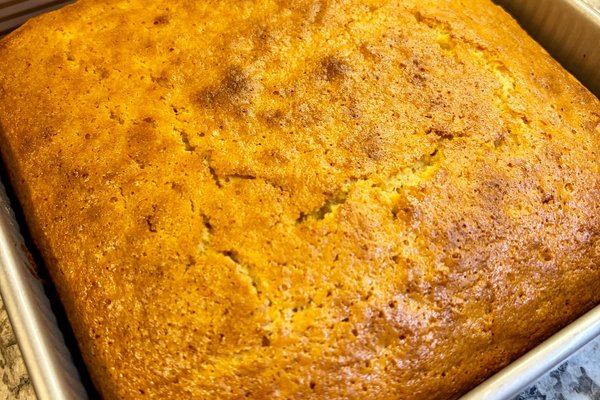
beginner
Open recipe
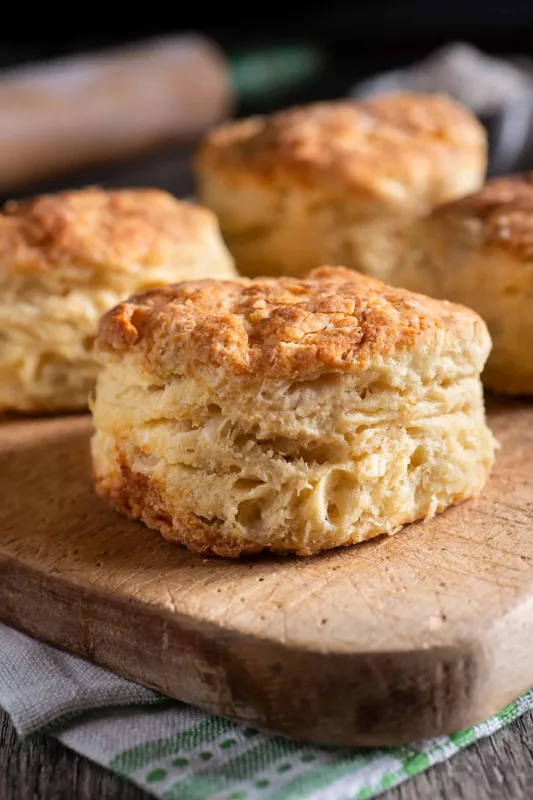
beginner
Open recipe
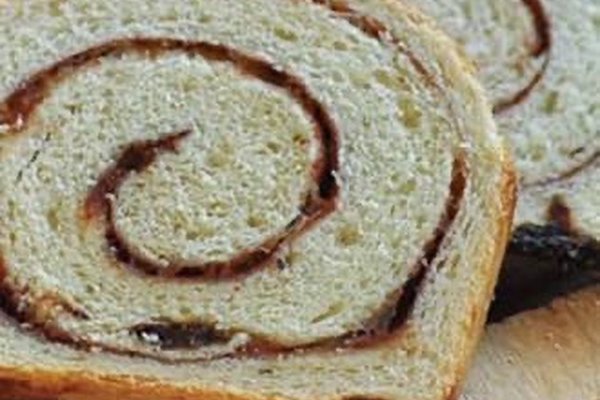
intermediate
Open recipe
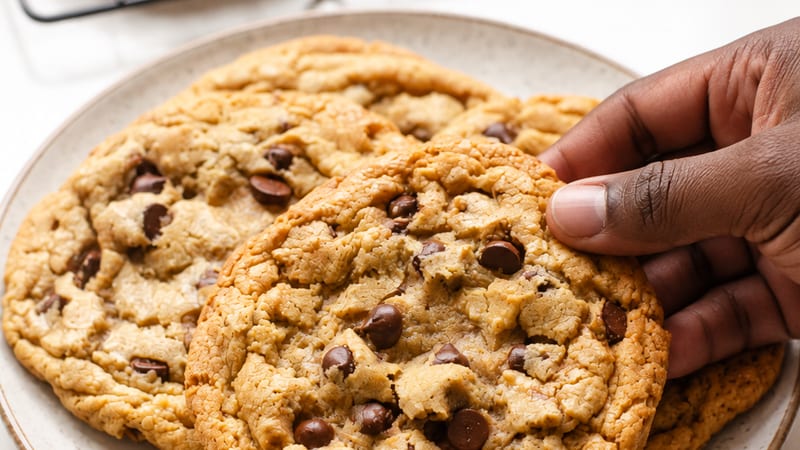
beginner
Open recipe
intermediate
Open recipe
beginner
Open recipe
beginner
Open recipe
Choosing a mill
A grain mill is the step between the berries you buy and the flour you bake with. Impact mills, stone mills and hand mills take different routes to fresh flour. Choose for the texture you want, the batches you bake and the effort that fits your kitchen. Cooking whole berries, like our emmer pilaf? You can skip the mill entirely.
High-speed metal milling heads break dry grain into flour. They’re useful for flour-focused baking and larger batches. Check the model’s texture range: a flour mill is not necessarily a cracked-grain mill. The Classic, for example, is not suitable for oily nuts or seeds.
Grain passes between milling stones. Adjustable models offer a range from fine flour to coarser textures; check whether the model produces the cracked grain you want. Speed, sound and flour temperature vary with the machine, grain and setting. Follow its approved-grain list.
A crank drives steel or stone burrs without electricity. A good option for small batches or an off-grid kitchen, with more time and physical effort for bread-sized batches. Steel burrs alone do not mean a mill can handle oily seeds: compatibility is model-specific.
A compatible grain-mill attachment is another route if you already own a mixer. Check the approved grains, flour fineness and batch limits, including any required rest periods for the mixer.
Start with your mill’s manual. Weigh the flour after milling, and allow warm flour to cool before mixing if needed for your dough temperature.
Manufacturer guidance: stone-mill care · Classic grain compatibility.
I use a NutriMill Classic, an impact mill that fits my bread baking. It’s my choice, not a requirement for these recipes. A different mill may be a better fit for your kitchen.
— Henry Hunter
Affiliate link: I may earn a commission on qualifying purchases.
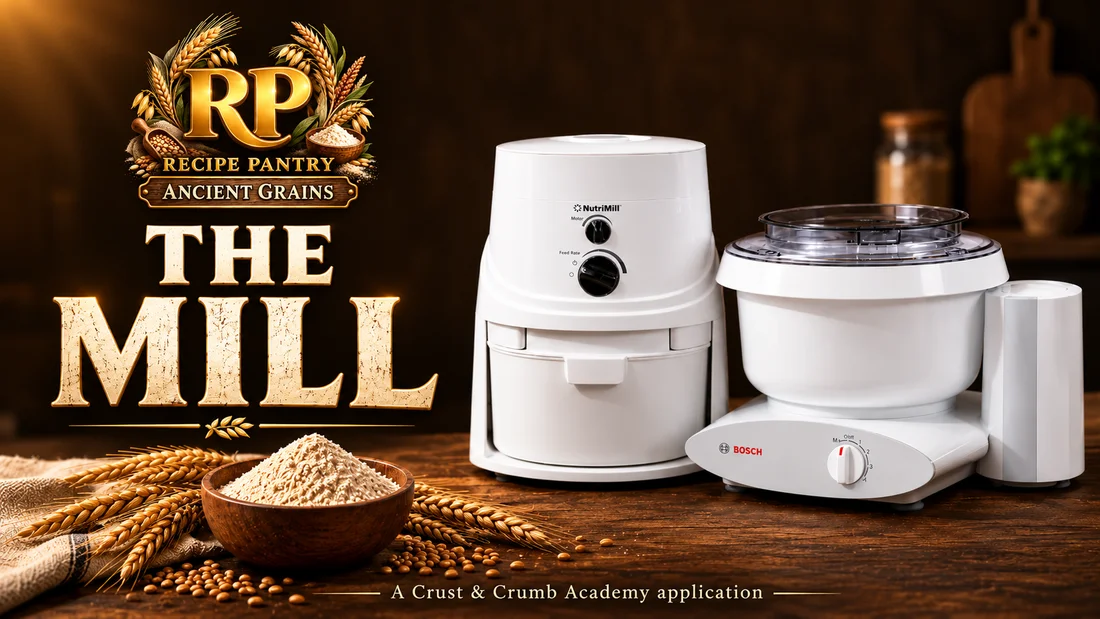
Recipe Pantry tool
Fresh flour gets easier when you know what your machine is actually giving you. The Fresh-Milled collection teaches the grain. The Mill helps you turn that grain into usable flour in your own kitchen.
Run a measured amount of berries, weigh the flour you get back, and build a reference for your own machine.
Choose a Recipe Pantry bake and get the berry weight, grind direction, water holdback, and fresh-flour notes.
Fresh flour absorbs water and ferments differently. Use the plan as your starting point, then read the dough.
Keep your calibration and milling plans so the next bake starts with what you already learned.
Free. No login. Built to work at the counter.
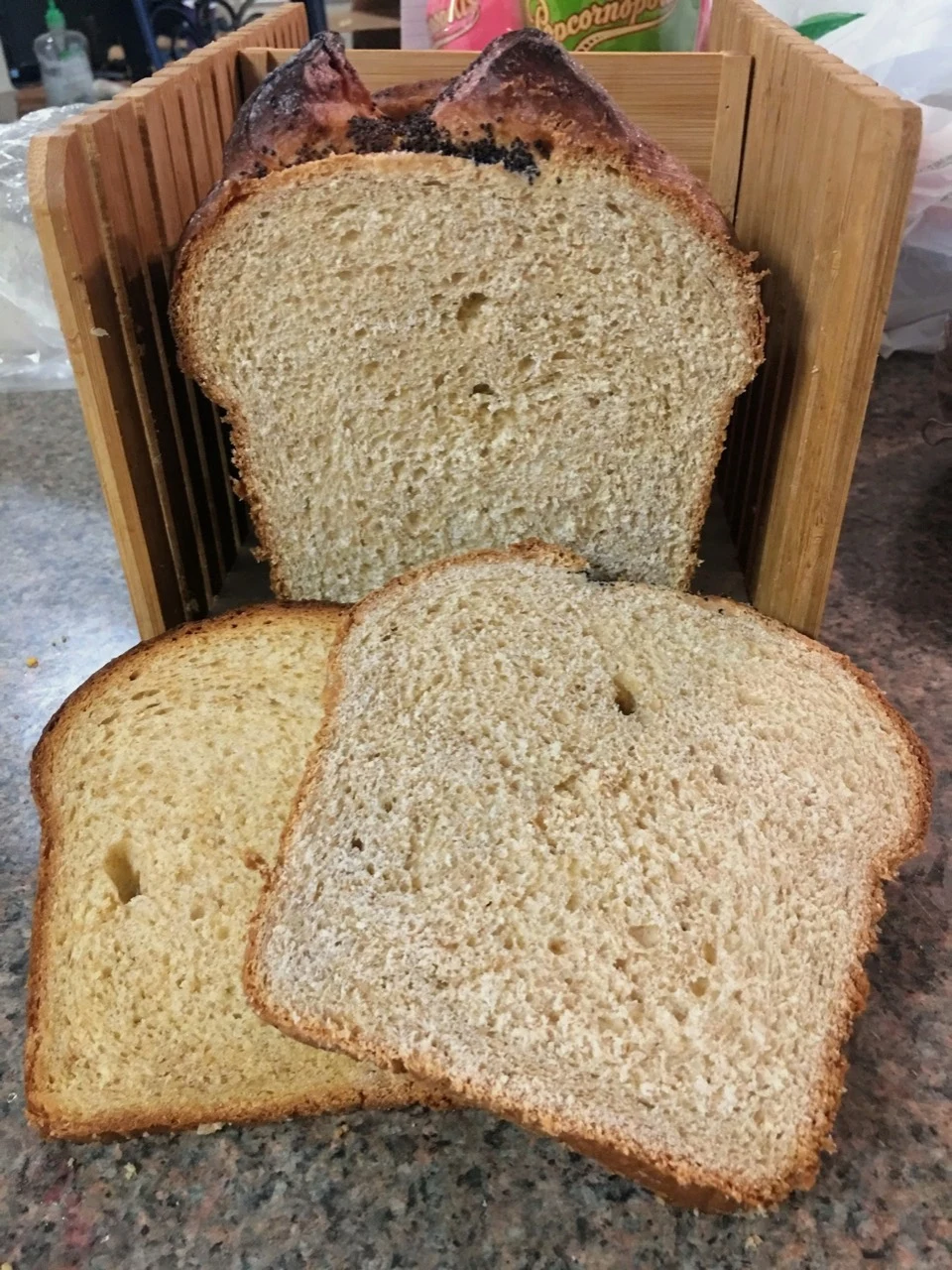
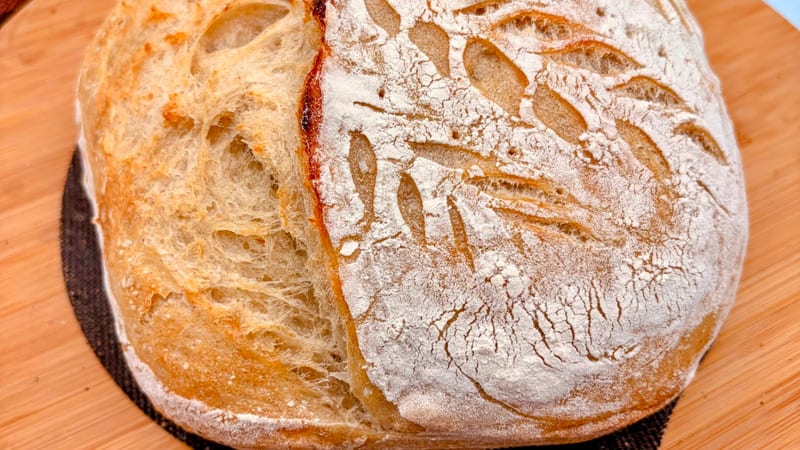
Three modern wheats, four ancient grains, and rye, which is its own grain and not a wheat at all. Start anywhere. The hard red loaf is a useful first milling project.
A hearty bread wheat and a useful place to start. Learn the autolyse here.
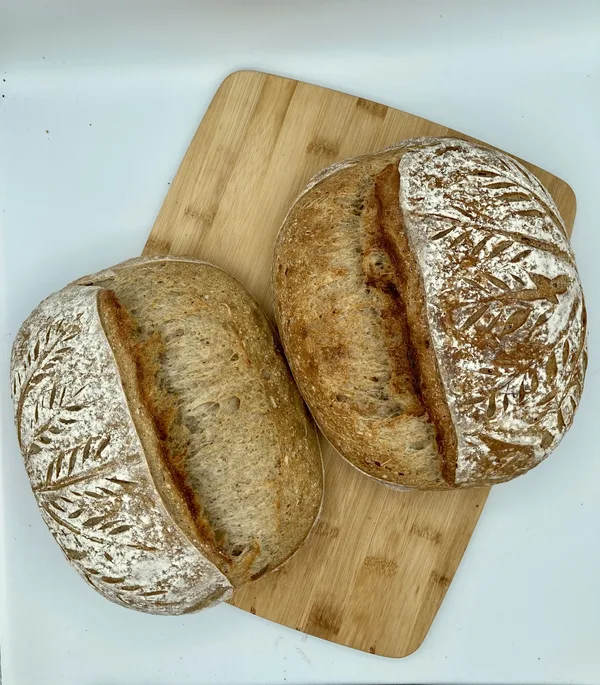
Same strength, milder flavor, lighter crumb. The loaf that wins over a skeptical household.
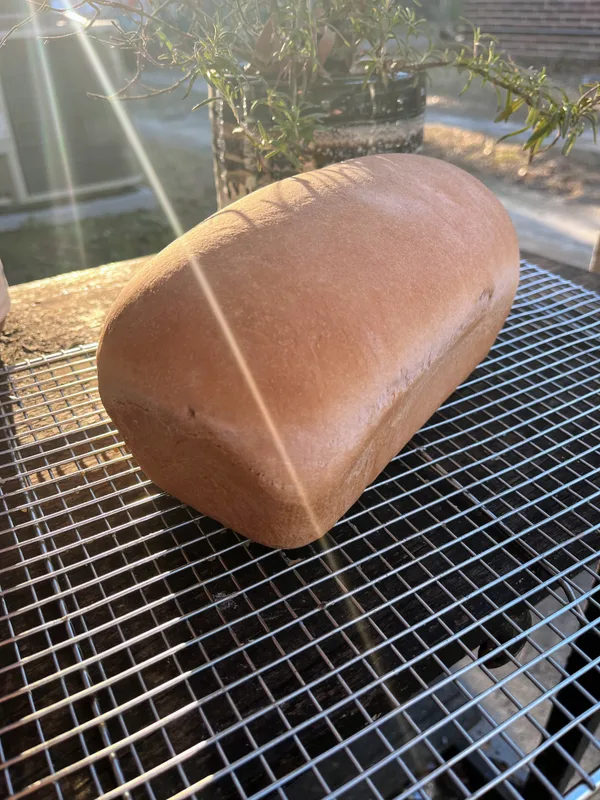
Lower protein makes room for tenderness. Match the grain to biscuits and pastry.
Fragile gluten that tears if you push it. A lighter hand and a shorter proof.
Drinks water differently and moves fast. Two versions, yeasted and sourdough.
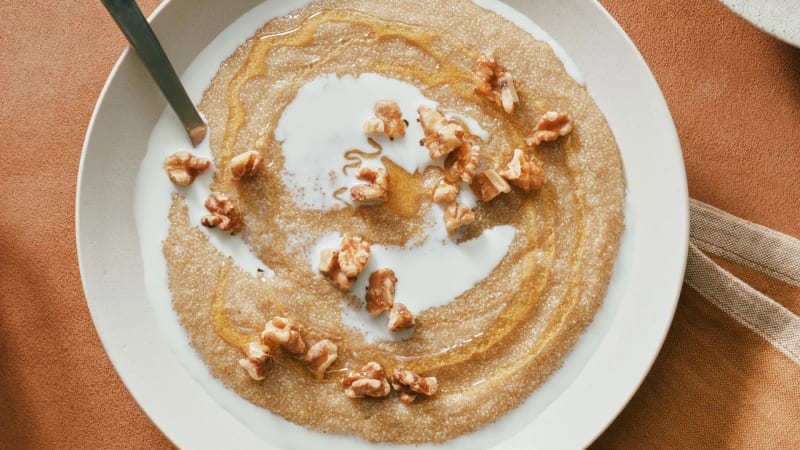
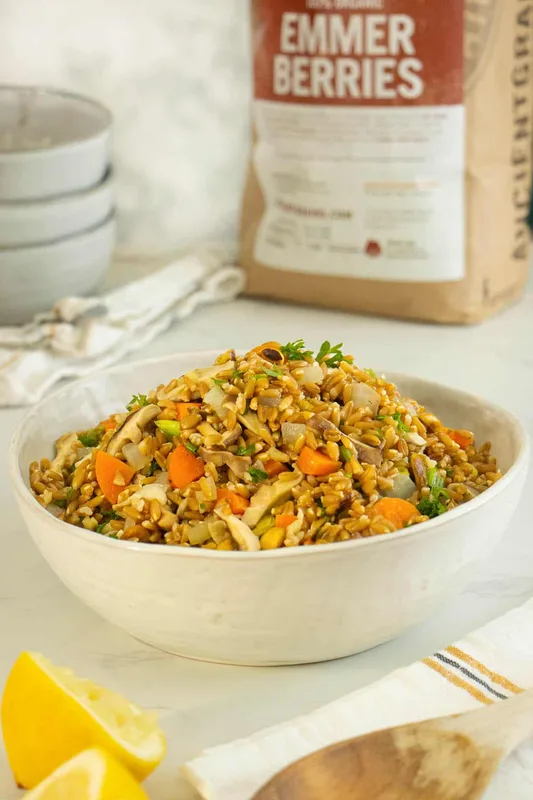
Not every grain has to become bread. Cook the whole berry and taste it plain.
Big buttery berries and an extensible dough that wants to be stretched thin.
Its own grain, not a wheat. Forty percent, not a hundred, is where it turns great.
Get the Recipe Pantry newsletter: recipes to try, practical baking lessons, and what’s coming next. Everyone’s welcome.
Where a recipe gives a berry weight, treat it as a planning estimate, not a measured yield from your mill. The new milling estimates allow one percent for loss. Weigh the finished flour and top up to the recipe's flour weight if needed. Keep your own measurements in The Mill. The emmer pilaf uses whole berries and needs no milling.
Affiliate partners: Henry works with NutriMill and Grand Teton Ancient Grains and may earn a commission from qualifying purchases.
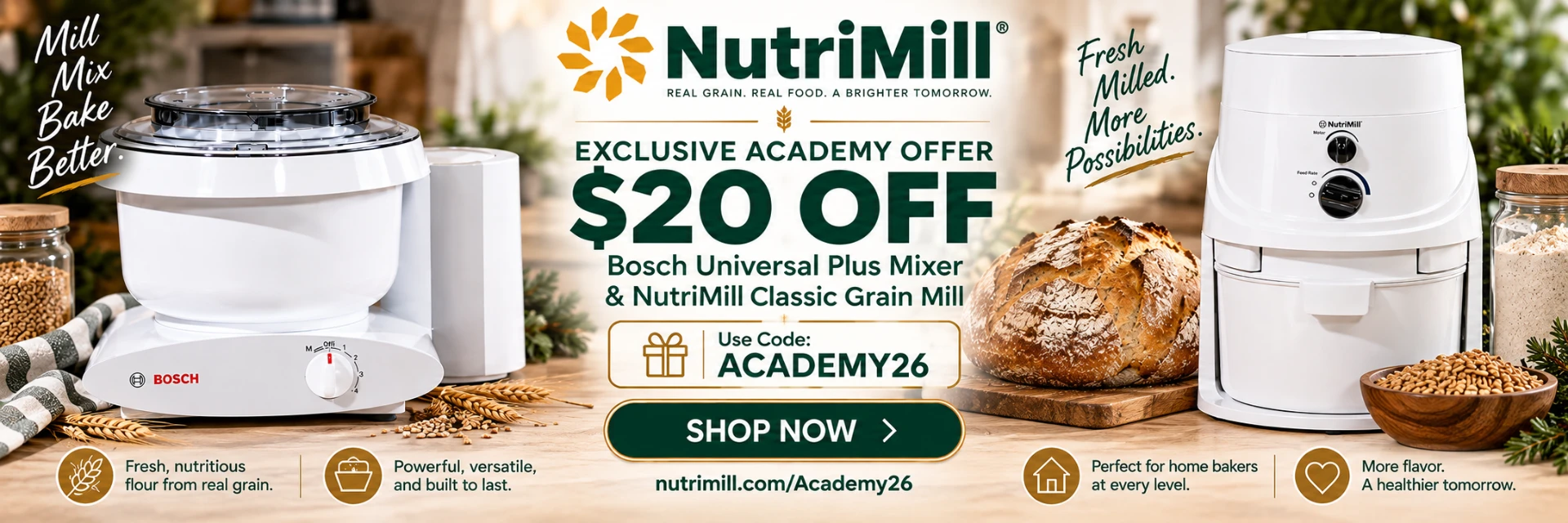
NutriMill · affiliate link
I use the NutriMill Classic to mill fresh flour and the Bosch Universal Plus to mix my dough. Together, they give me more control over what goes into my bread. If you're ready to take that next step in your baking, NutriMill has a special offer for our community. Save $20 with code ACADEMY26.
ACADEMY26
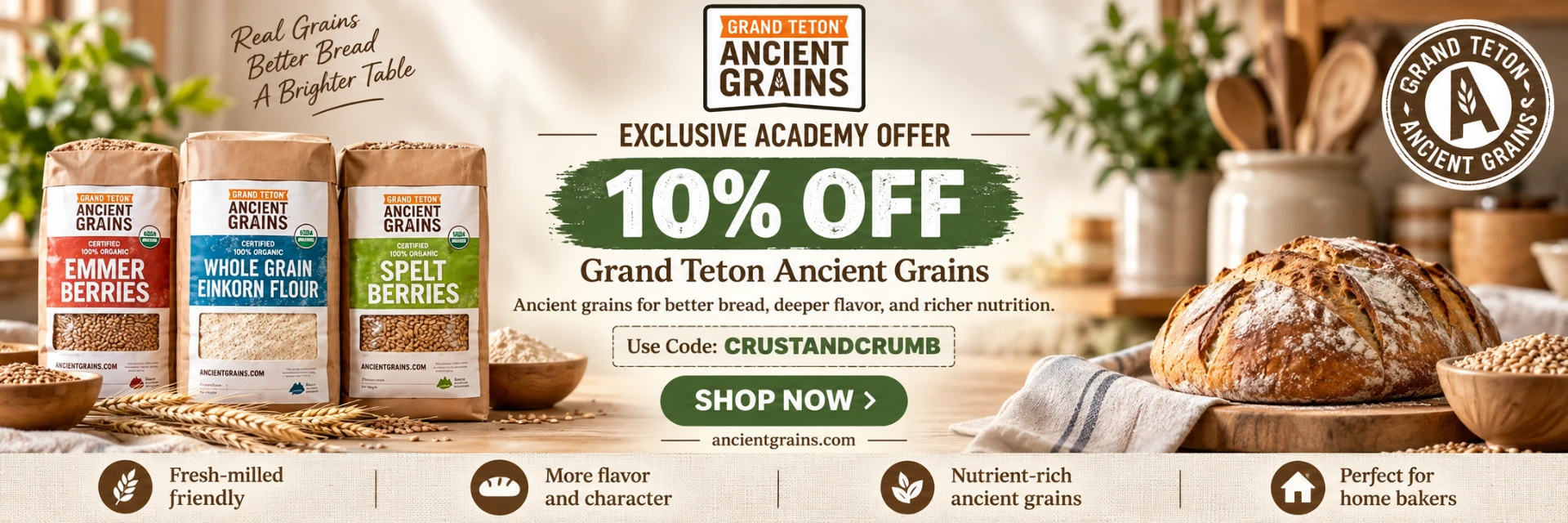
Grand Teton Ancient Grains · affiliate link
I've been working with Grand Teton Ancient Grains throughout our From Berries to Bread series, exploring how freshly milled wheat, einkorn, emmer, and spelt can change the way we bake. Their organic grains give us a chance to explore new flavors and learn what makes each grain different. As part of our Academy partnership, you'll save 10% on your first order with code crustandcrumb.
Offer expires December 31, 2026.
crustandcrumb